Q1
Are safety switches required in Victorian homes?
The AS/NZS 3000 Wiring Rules require RCD protection on new and altered circuits. Older homes may not have RCDs on every circuit — a licensed electrician can assess your board and fit them where they're missing.
Q2
How often should I test my safety switch?
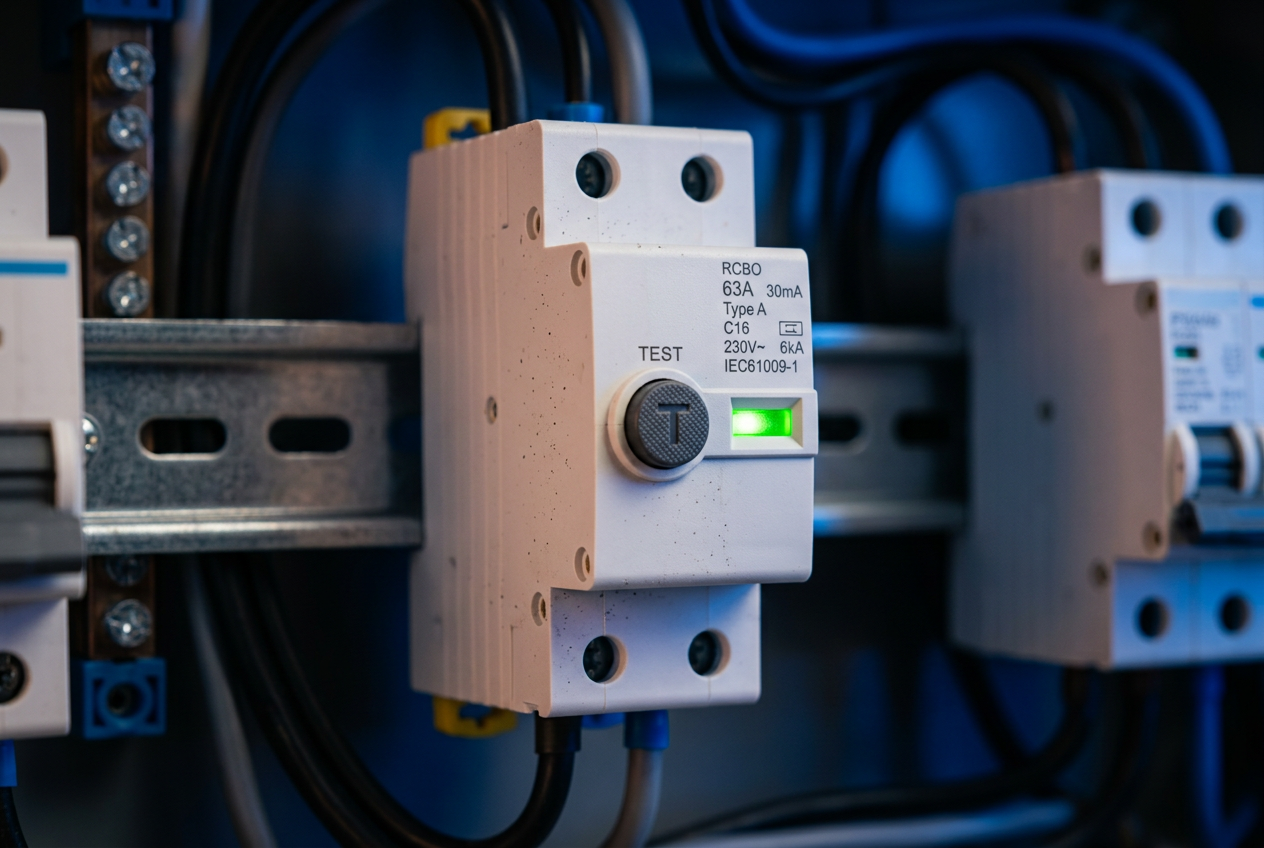
Push the Test button on each RCD every few months. If it doesn't trip, or won't reset, book an electrician to check the device and the circuit it protects.
Q3
Why does my safety switch keep tripping?
Repeated tripping usually means there's a real fault — a damaged appliance, wet wiring, or a deteriorating cable. The RCD is doing its job. Don't tape it in the on position; have the circuit tested.
Q4
Can you fit safety switches to an old switchboard?
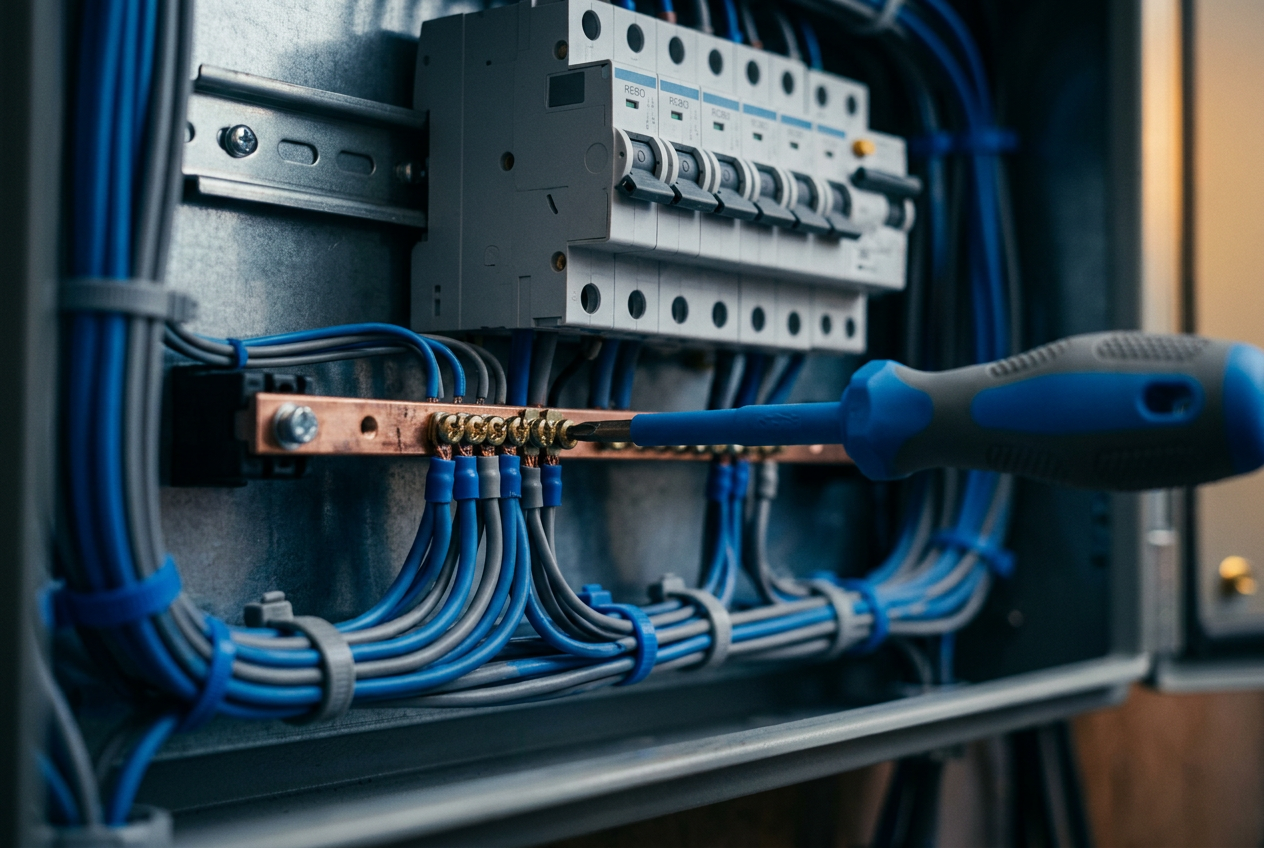
Often yes, but it depends on the board type and available space. If there's no room or the board is at end of life, a full switchboard upgrade is usually a better fix.
Q5
What's the difference between an RCD, an RCBO and a circuit breaker?
A circuit breaker protects the wiring from overload and short circuits. An RCD (safety switch) protects people from electric shock by detecting current leaking to earth. An RCBO combines both in one device on a single circuit — the safest and easiest to diagnose.
Q6
Do lighting circuits need RCD protection too?
Yes. Under the current AS/NZS 3000 Wiring Rules, new and altered lighting sub-circuits require RCD protection alongside power and hardwired appliance circuits.