Q1
Do I need an electrician to connect a new cooktop or oven?
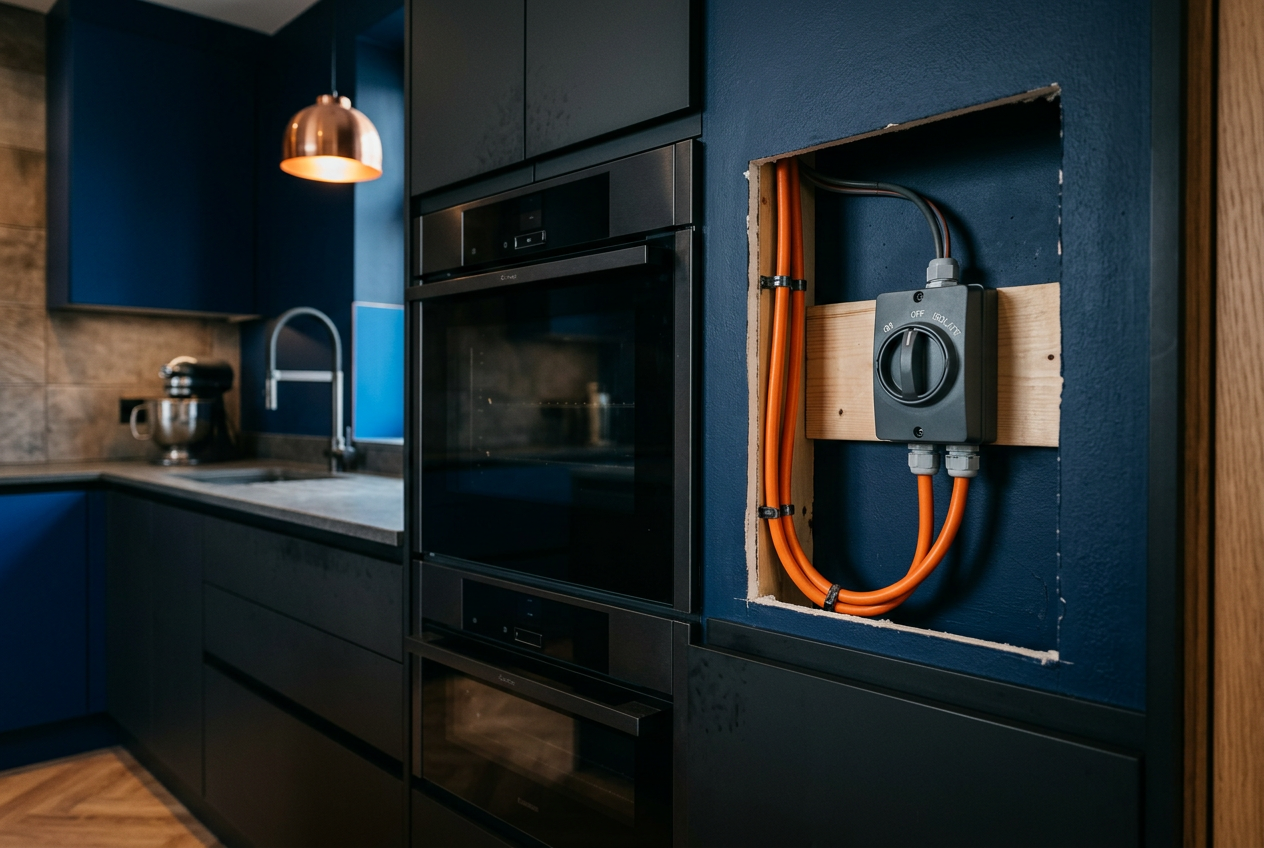
Yes. Hardwired appliances must be connected by a licensed electrician. Plug-in appliances may not need an electrician for the connection itself, but often need a correctly rated outlet or isolator installed first.
Q2
Does an induction cooktop need a special circuit?
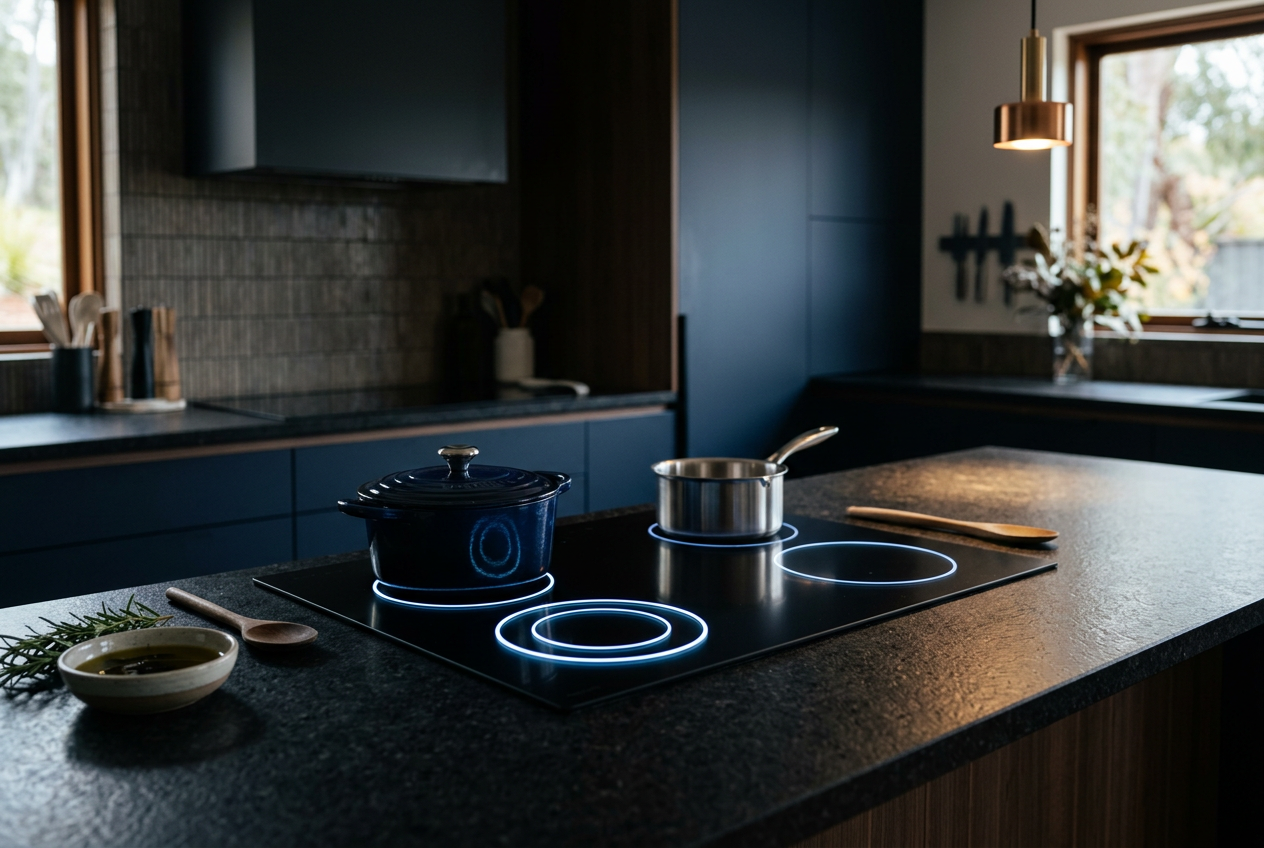
Induction cooktops draw high current and need a dedicated circuit sized to the appliance rating, with the correct isolator. We confirm the requirements from the manufacturer's install manual before quoting.
Q3
Can you install the cooktop and oven on the same day as the kitchen fitter?
Yes, we regularly coordinate with kitchen installers and cabinetmakers to sequence the electrical work with the benchtop and cabinetry install.
Q4
Will you provide an Electrical Safety Certificate?
Yes — cooktop, oven and dedicated circuit work is prescribed electrical work, so an Electrical Safety Certificate is issued on completion under Energy Safe Victoria requirements.
Q5
Can I swap my gas cooktop for induction without upgrading my switchboard?
Sometimes. Induction cooktops need their own dedicated circuit, so we check your board's spare capacity, RCD protection and main supply first. If the board is full or old, an upgrade may be the cleanest path before adding the new circuit.
Q6
Where should the cooktop isolator go?
Somewhere accessible without reaching over the cooktop — usually in an adjacent cupboard or on a nearby wall. We follow the manufacturer's install manual and the Wiring Rules for placement.